SERA
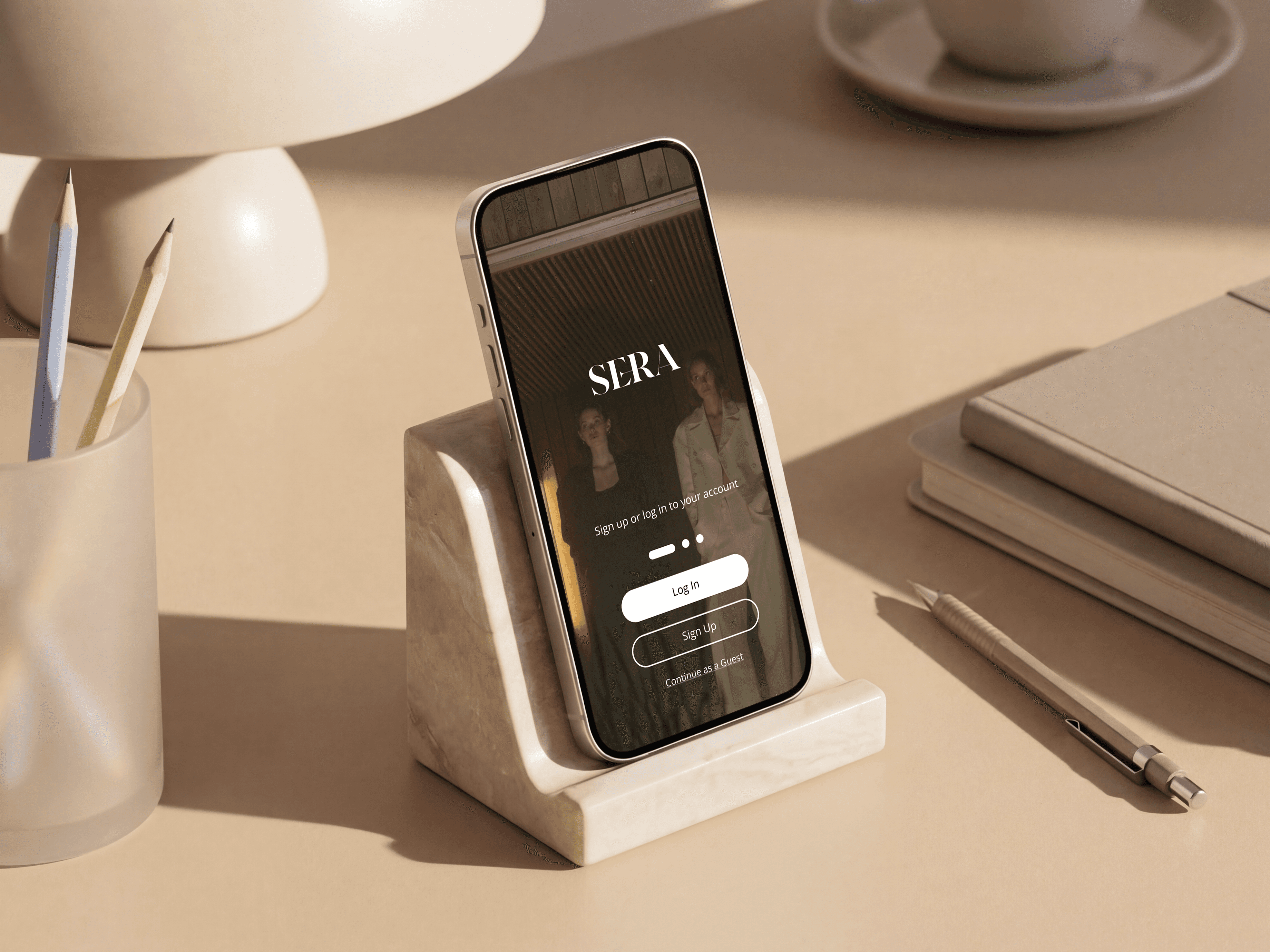
SERA is an inclusive luxury clothing rental app designed to make high-end fashion more accessible. The platform addresses gaps in traditional rental services by prioritizing inclusivity across sizing, style, and representation, while offering a seamless way to browse and rent curated pieces for special occasions.
Client
Sera
Industry
Fashion
Service
Brand Identity
UI / UX Design
Digital Design
Duration
5 Weeks
OverView
SERA was designed to reimagine the luxury rental experience through a more inclusive and user-centered approach. The project focuses on expanding access to high-end fashion by addressing common barriers such as limited sizing, lack of representation, and fragmented discovery across platforms. The app allows users to explore curated collections, discover brands, and rent pieces for special occasions through a streamlined digital experience. Emphasis was placed on clarity, ease of navigation, and building trust through thoughtful design decisions. By combining accessibility with a refined visual identity, SERA positions itself as a platform that is both aspirational and approachable.

The problem
I began by reviewing existing research on shopping behavior, focusing on why people choose to buy or rent clothing and how those decisions are shaped by emotion, identity, and occasion. While shopping is generally an enjoyable experience, users have distinct preferences in how they browse, select, and engage with clothing. Despite this, many existing rental platforms cater to narrow audiences, leaving gaps in inclusivity, accessibility, fit, and overall user experience.
COMPETITIVE analysis
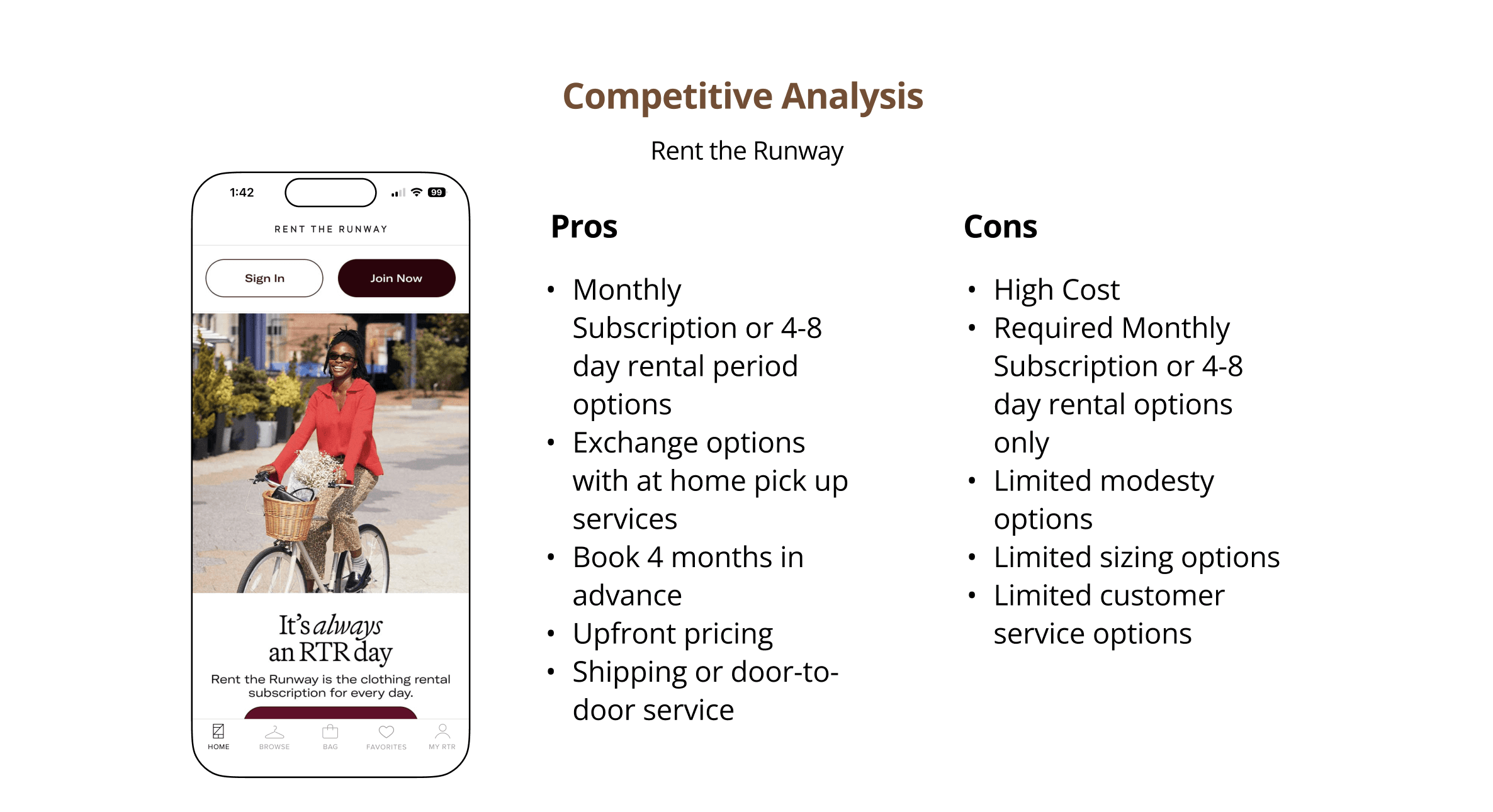
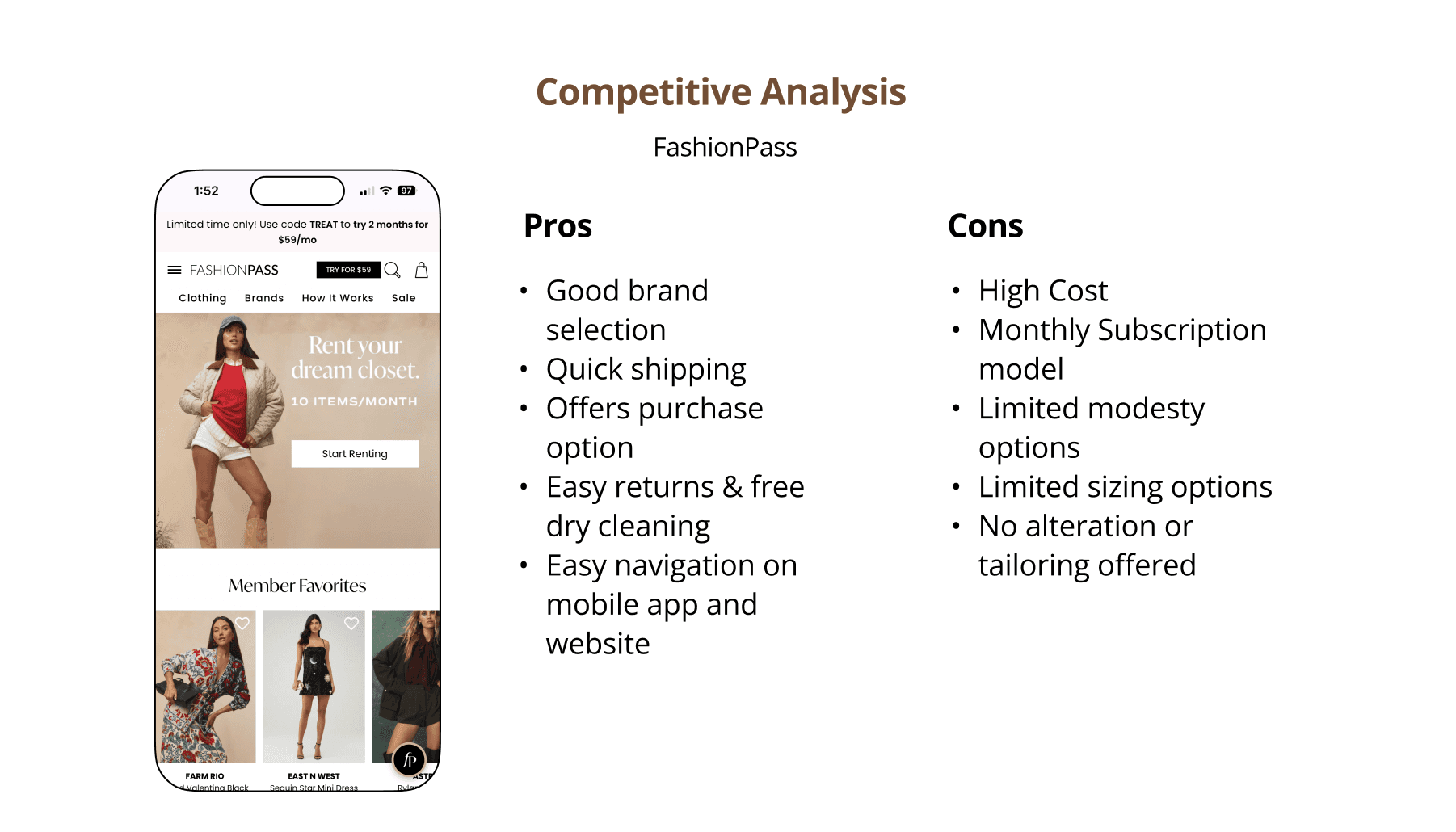
To further understand the current landscape, I analyzed existing clothing rental platforms such as Rent the Runway and FashionPass. I reviewed the products they offer, the services they provide, and how users navigate both their websites and apps.
While these platforms offer convenience and a wide selection, they often fall short in representing diverse body types and modest fashion needs. Limited sizing guidance, lack of personalization, and minimal cultural consideration create friction in the user experience.
research
USER INTERVIEWS
what i heard
To better understand the clothing rental experience, I conducted user interviews alongside the competitive analysis. These methods helped uncover how users approach renting, where they experience uncertainty, and how existing platforms support or fall short of their needs.
I spoke with 5 participants who shop for or rent clothing for special occasions. The goal was to understand their experiences with fit, accessibility, inclusivity, and overall confidence when selecting garments online or in-person.
USER INTERVIEWS

key insights
• Users need more confidence in fit and sizing
• There is a clear gap in platforms that cater to modest fashion
• Trust is built through clarity, transparency, and representation
• Users want a seamless, supportive experience rather than one that feels uncertain or overwhelming
system map
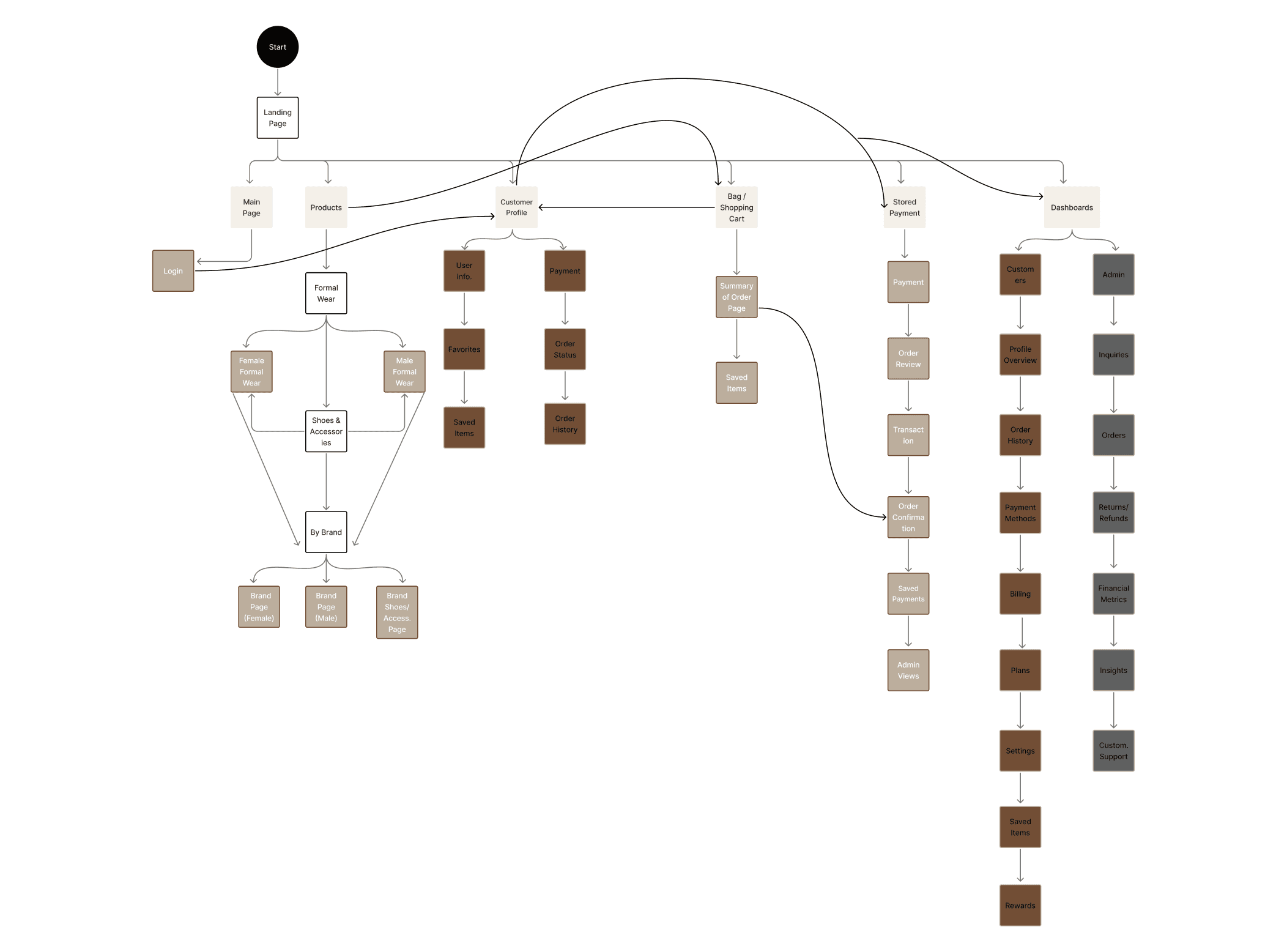
This system map illustrates how users, platforms, and services interact across the clothing rental experience.
User journey
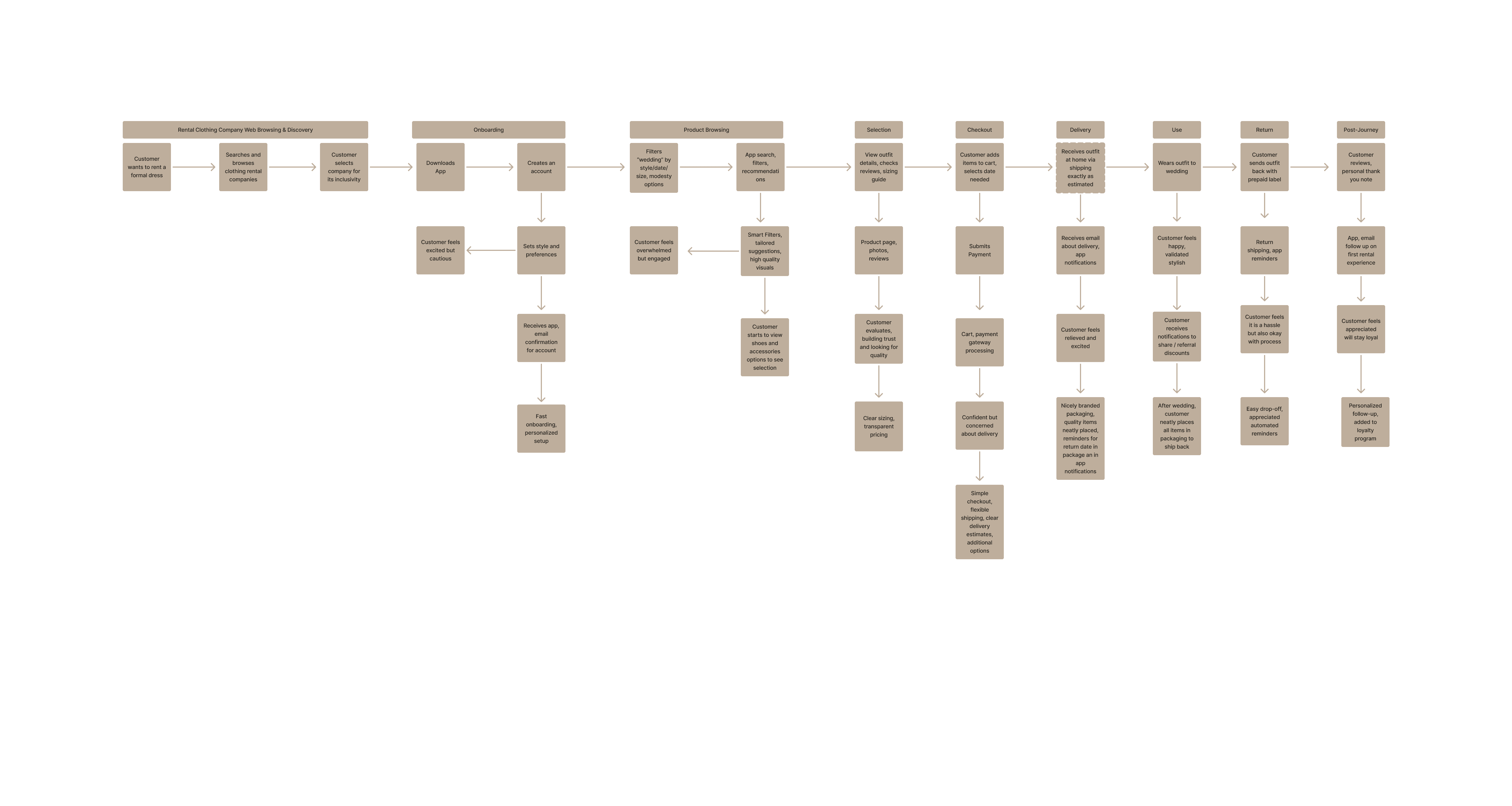
This flow maps the end-to-end clothing rental experience, from initial discovery through onboarding, browsing, selection, delivery, use, and return.
The Solution
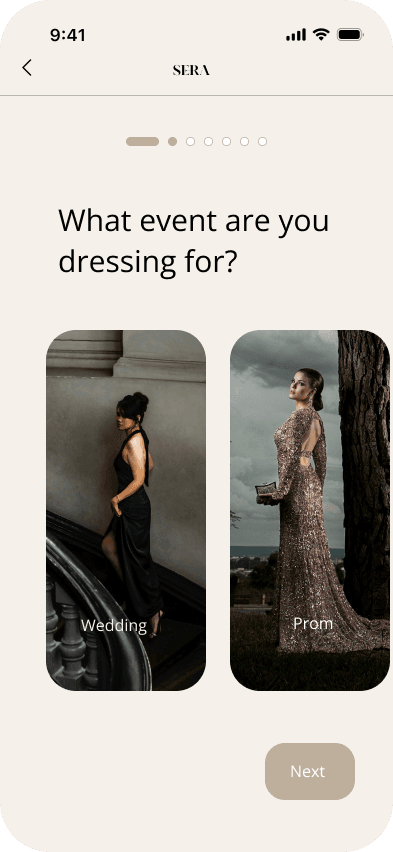
After synthesizing research insights, I explored multiple directions to address gaps in inclusivity, fit confidence, and discovery. My goal was to generate solutions that felt both functional and emotionally reassuring for users. Concept 1: Fit Confidence Helping users feel more confident selecting sizes through clearer guidance, detailed product information, and consistent sizing support. Concept 2: Clear Product Understanding Improving how product details are presented so users can better understand fit, fabric, and styling before committing to a rental. Concept 3: Occasion-Based Browsing Simplifying decision-making by organizing clothing options based on events and use cases, reducing overwhelm during browsing.
Low-fidelity wireframes
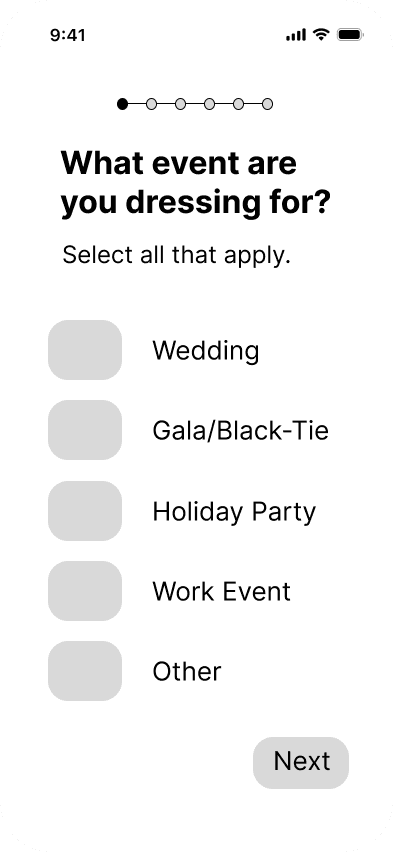
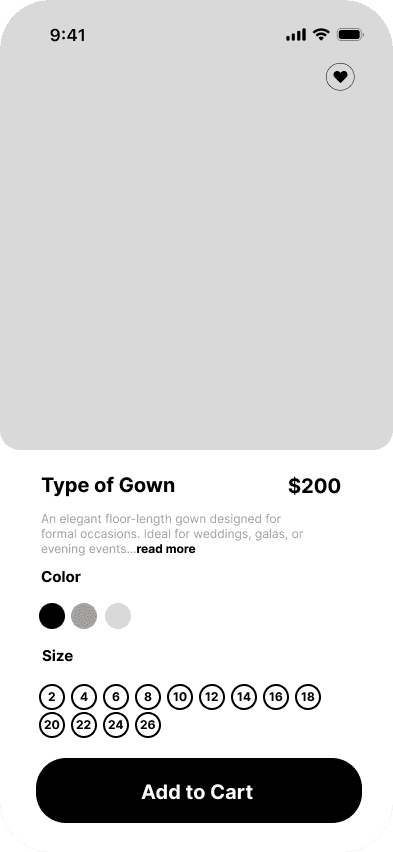
I explored early layouts to define structure, navigation, and key user flows.
Key flows explored in early wireframes


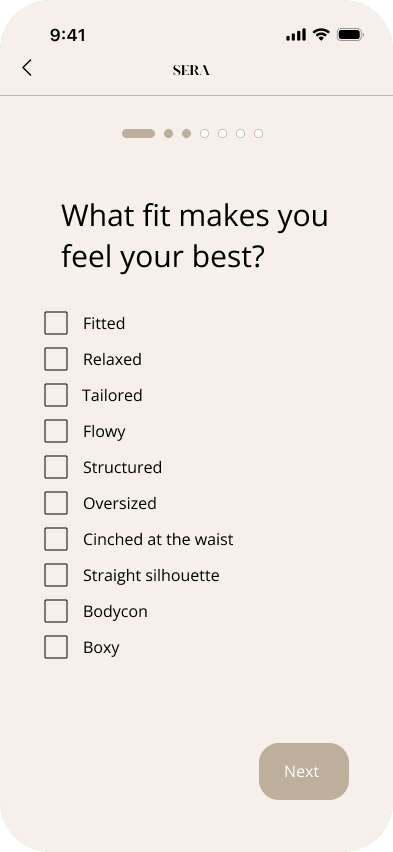
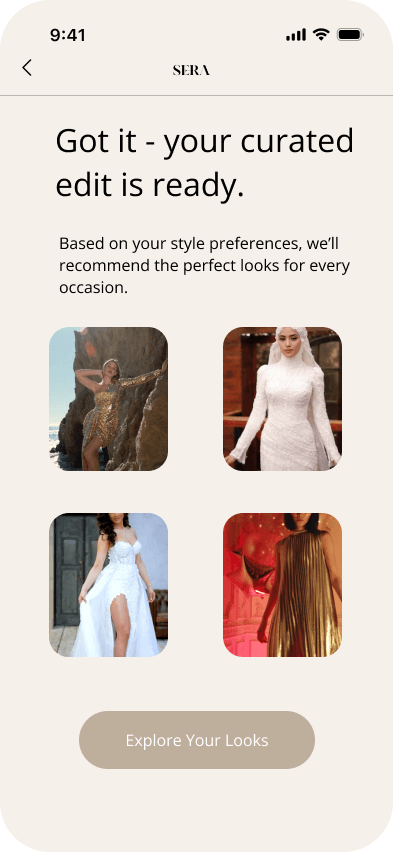
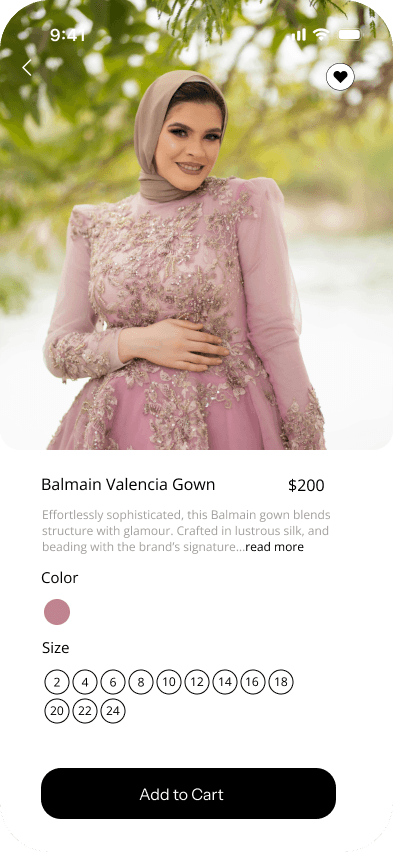
High-fidelity design
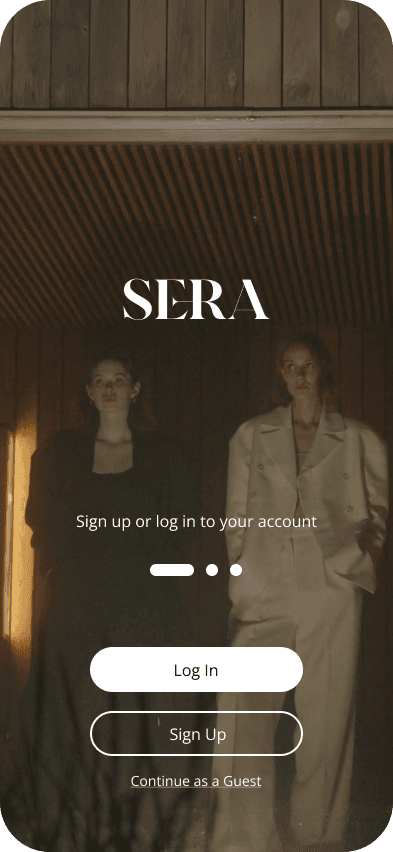
Final designs focused on clarity, confidence, and a seamless rental experience across key user flows.



The Result
The final design created a more confident and supportive rental experience by addressing key gaps identified in research. By improving clarity around fit, enhancing product understanding, and simplifying browsing, the experience reduces uncertainty and helps users make decisions more easily. The introduction of structured onboarding and clearer product details supports a more personalized and intuitive journey. This project reinforced the importance of designing for confidence, not just functionality. Small decisions around clarity, guidance, and organization can significantly impact how users feel when navigating an experience. If I were to continue this work, I would further explore fit guidance features, user reviews, and personalization to strengthen trust and long-term engagement.