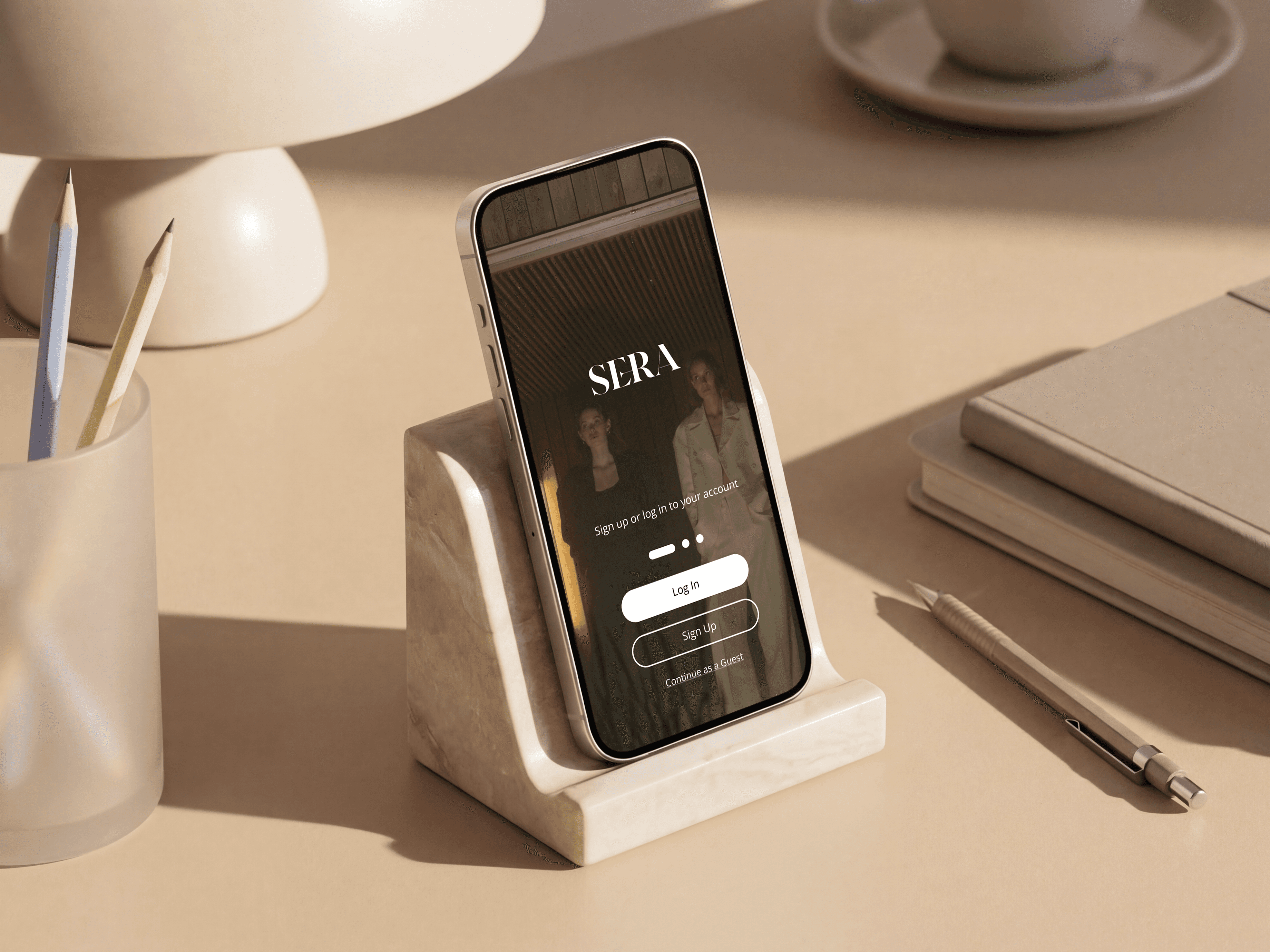
UBER: ADD-A-FEATURE
This project explores new features for the Uber app aimed at improving the rider experience during wait times. By addressing uncertainty and lack of engagement, the design introduces solutions that make waiting feel more transparent, interactive, and less frustrating.
Client
Uber
Industry
Transportation
Service
UI / UX Design
Digital Design
Duration
6 Weeks
OverView
This project focuses on enhancing the Uber rider experience by addressing a key pain point: wait time uncertainty. Many users experience frustration due to limited updates and a lack of visibility while waiting for their ride. The proposed features aim to improve transparency and engagement through real-time updates, interactive elements, and opportunities for social connection. By rethinking the waiting experience, the design shifts it from passive and uncertain to informed and engaging. The solution emphasizes clarity, trust, and user control, creating a more seamless and reassuring experience within the existing Uber ecosystem.
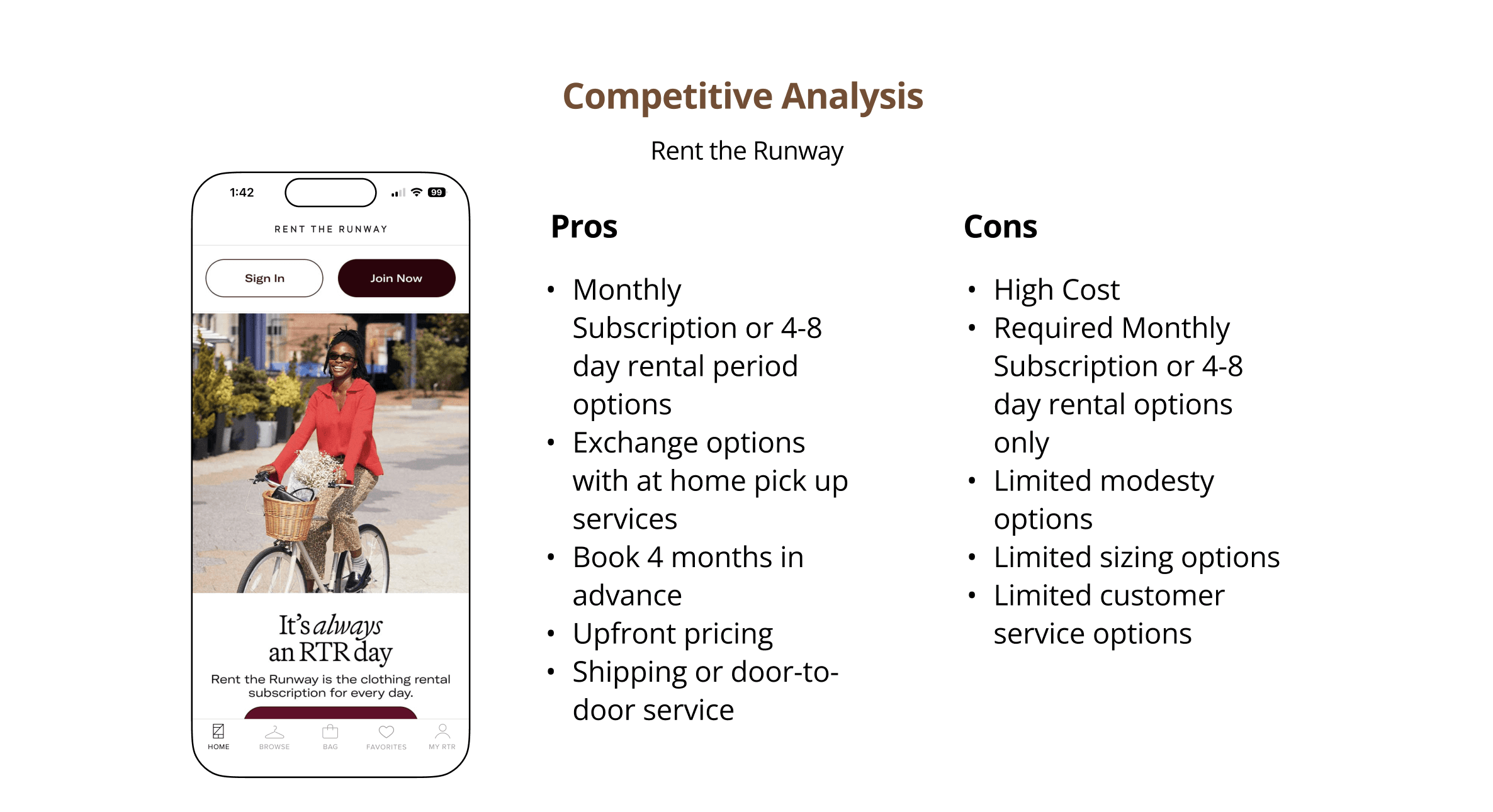
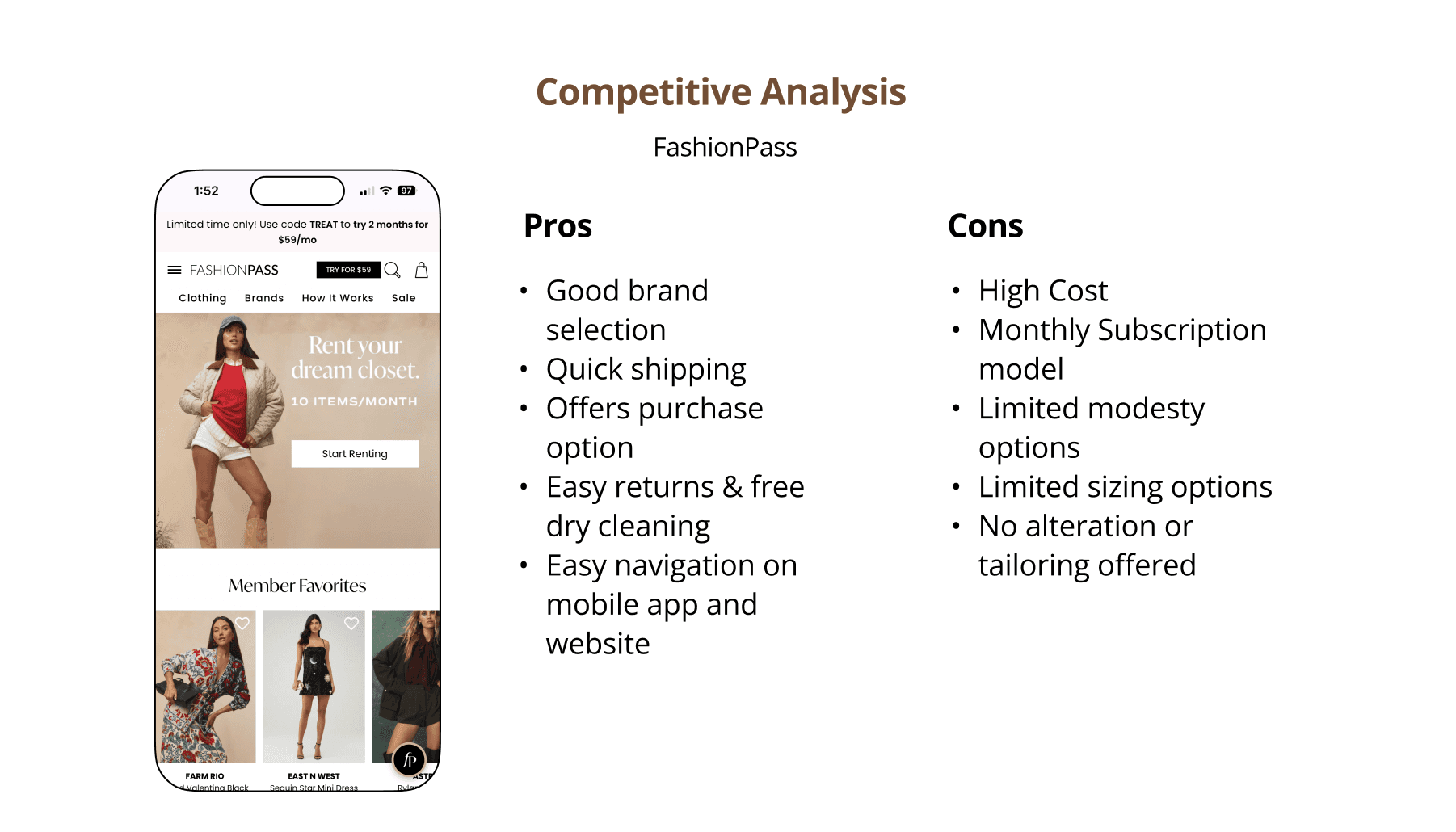

key insights
• Users need more confidence in fit and sizing
• There is a clear gap in platforms that cater to modest fashion
• Trust is built through clarity, transparency, and representation
• Users want a seamless, supportive experience rather than one that feels uncertain or overwhelming
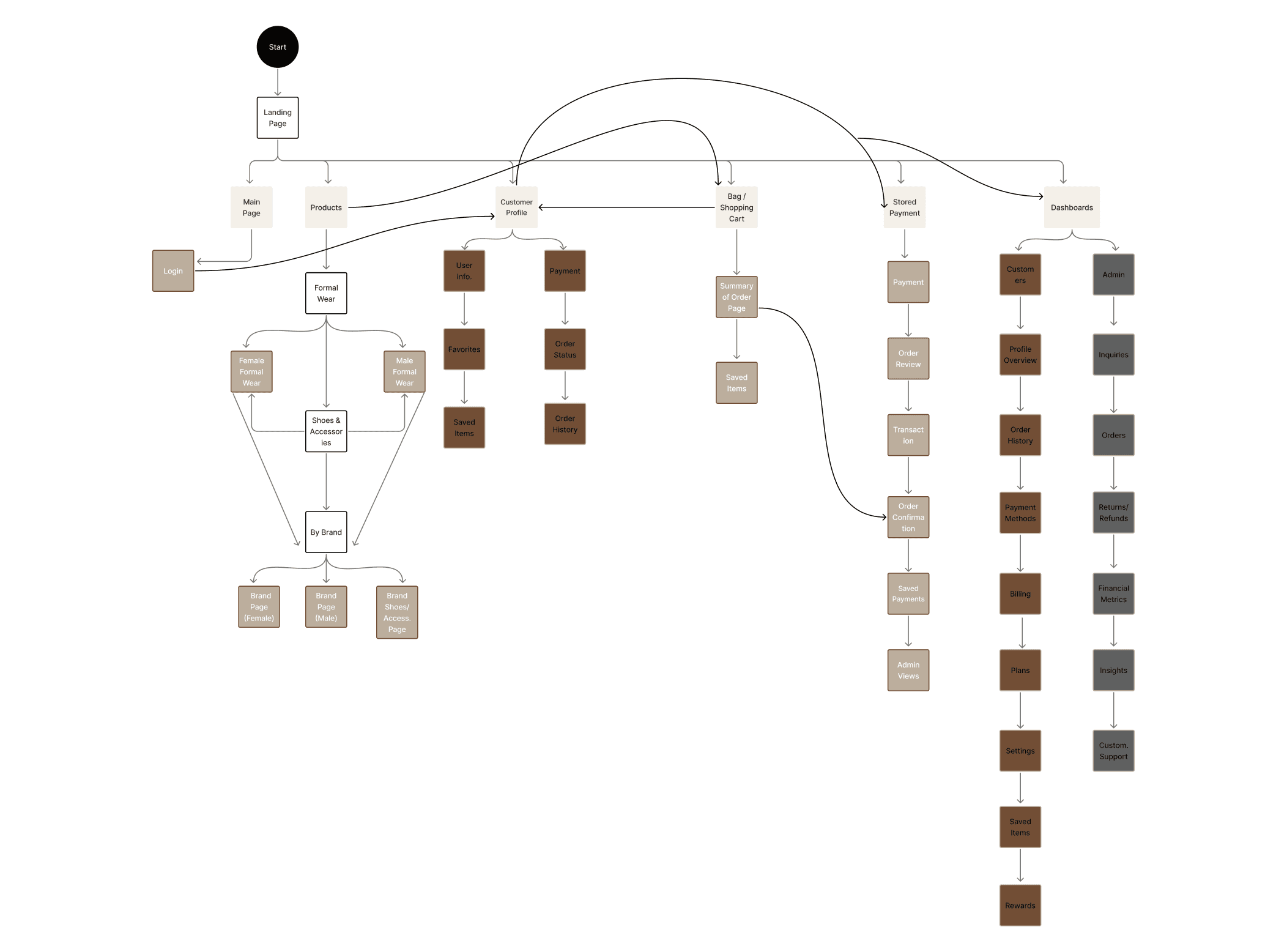
system map
This system map illustrates how users, platforms, and services interact across the clothing rental experience.
User journey
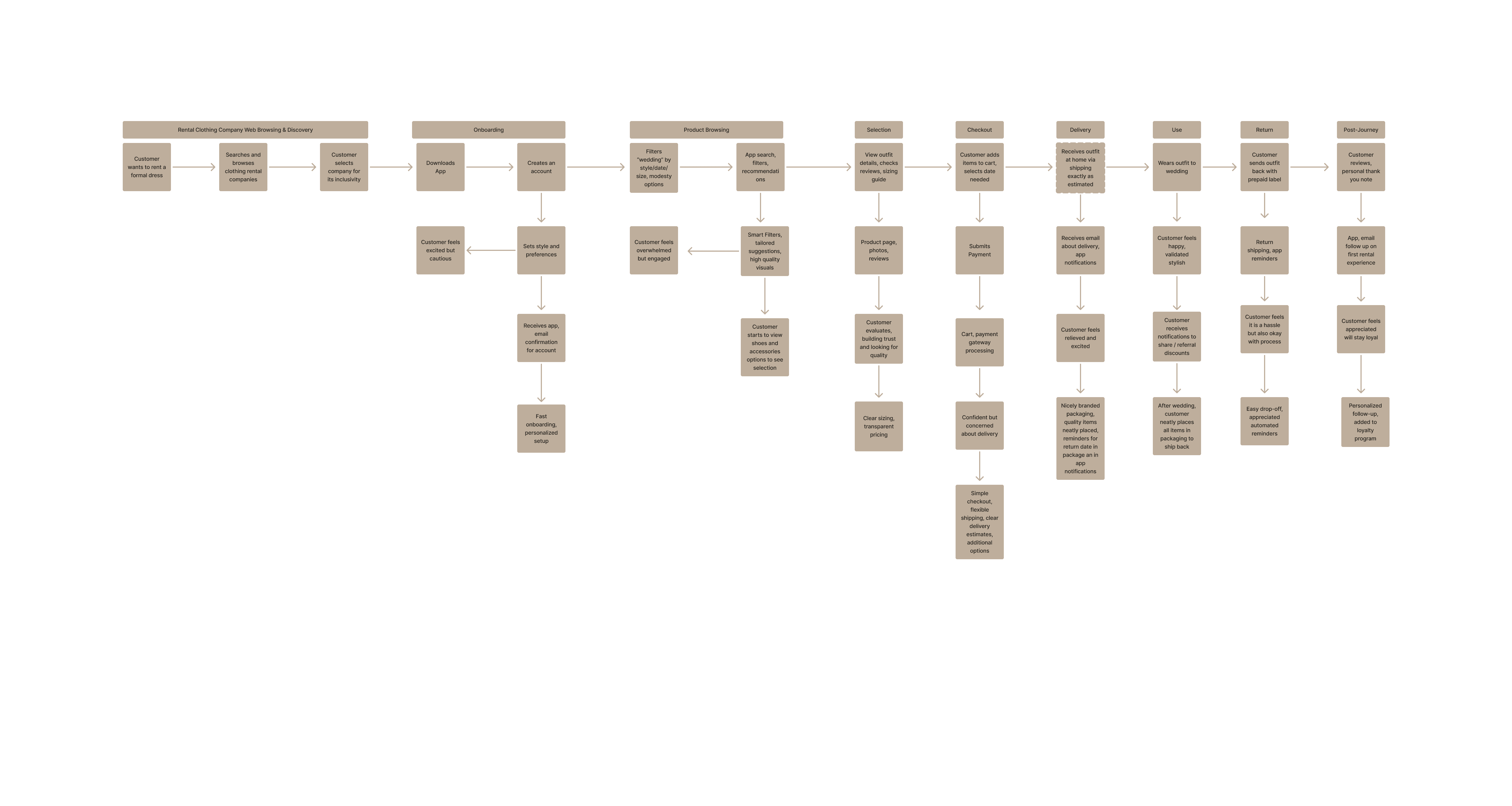
This flow maps the end-to-end clothing rental experience, from initial discovery through onboarding, browsing, selection, delivery, use, and return.
The Solution
Low-fidelity wireframes
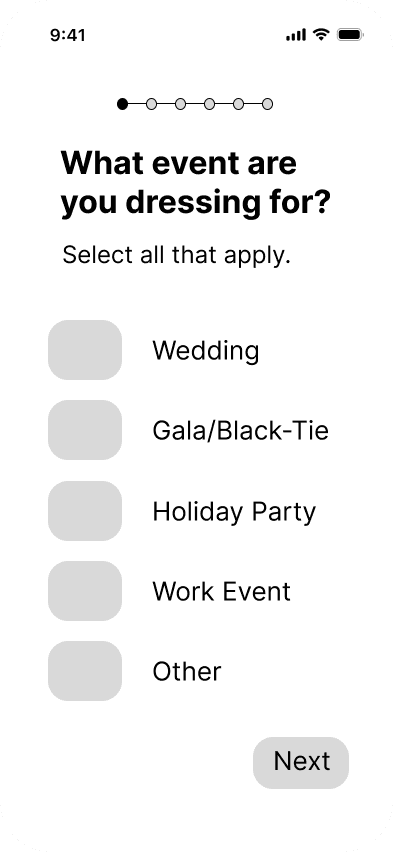
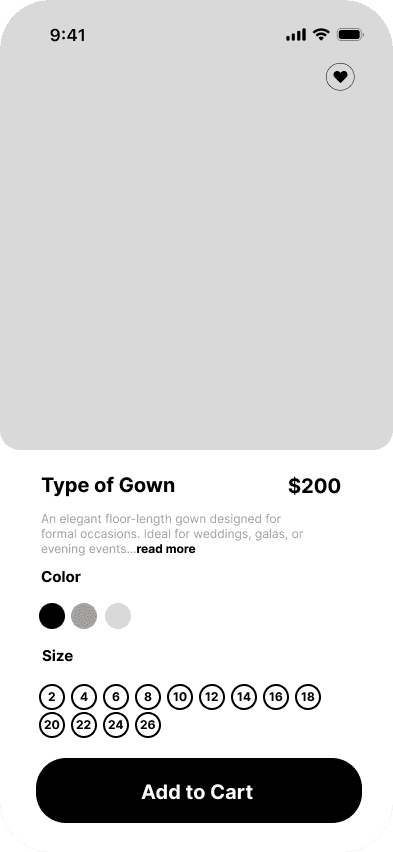
I explored early layouts to define structure, navigation, and key user flows.
Key flows explored in early wireframes


High-fidelity design
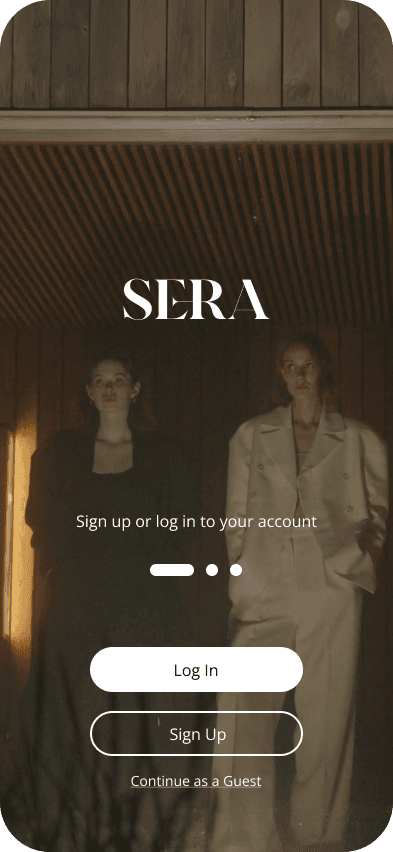
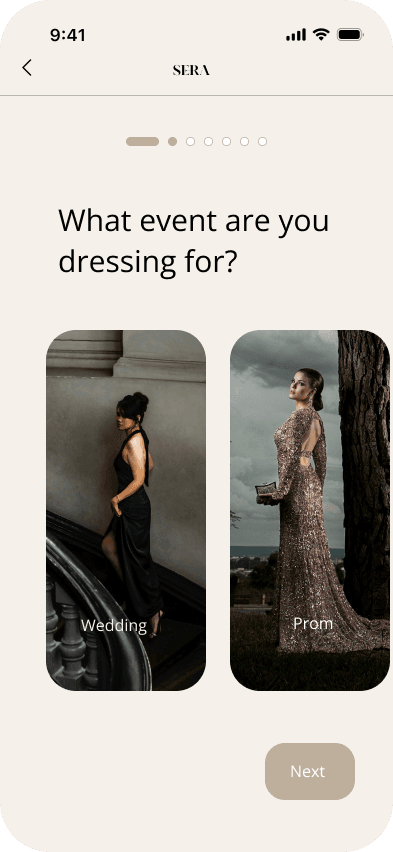
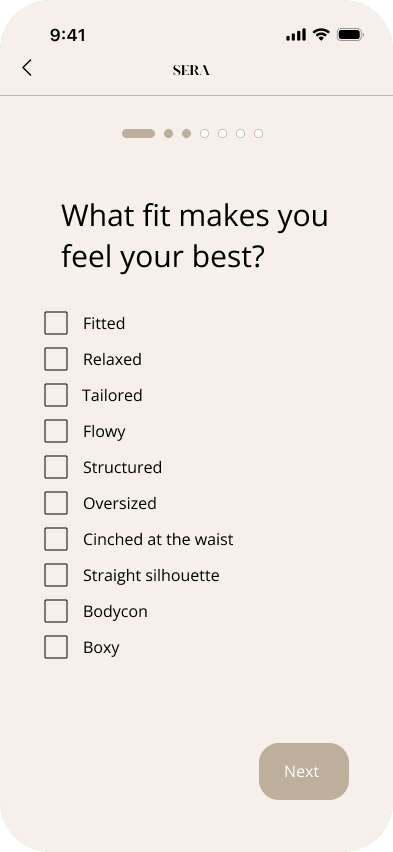
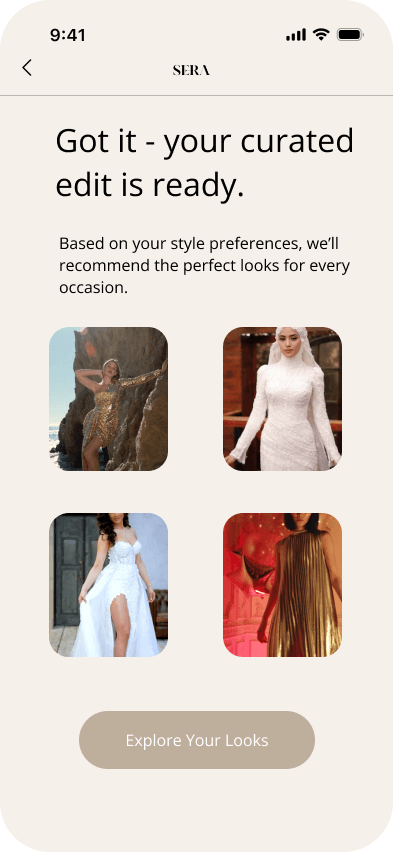
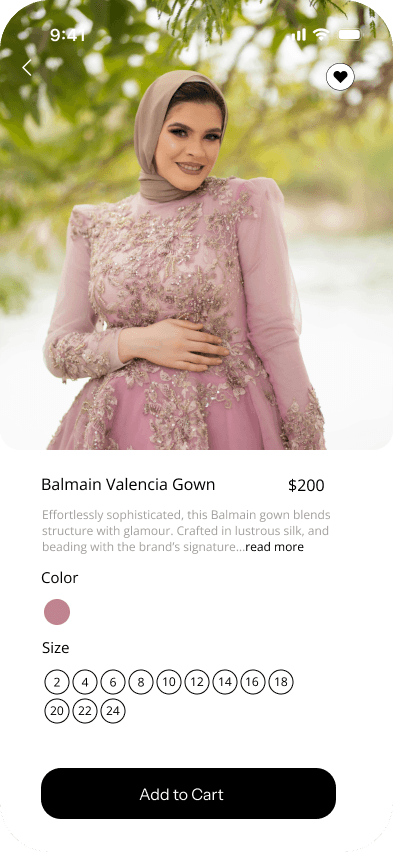
Final designs focused on clarity, confidence, and a seamless rental experience across key user flows.



The Result
The final design created a more confident and supportive rental experience by addressing key gaps identified in research. By improving clarity around fit, enhancing product understanding, and simplifying browsing, the experience reduces uncertainty and helps users make decisions more easily. The introduction of structured onboarding and clearer product details supports a more personalized and intuitive journey. This project reinforced the importance of designing for confidence, not just functionality. Small decisions around clarity, guidance, and organization can significantly impact how users feel when navigating an experience. If I were to continue this work, I would further explore fit guidance features, user reviews, and personalization to strengthen trust and long-term engagement.